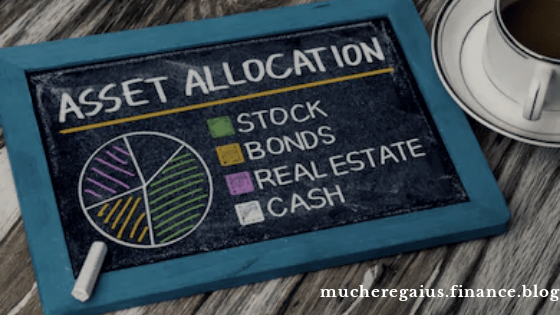
Occasionally you spend sleepless nights worrying about which stocks to buy and which to sell, which funds to own and which to dump and whether to procure bonds.
All of these are lawfully begotten concerns, but the greatest determinant of your success as an investor will not be your perceptiveness in selecting specific stocks, bonds and fund’s for your portfolio.
No, it will be your asset allocation.
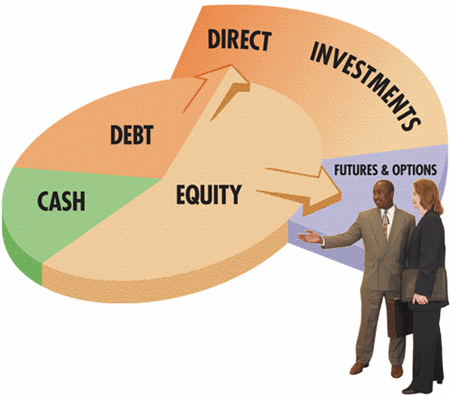
Enormously is, the way you slice up your portfolio into broad categories of, say, large-cap growth stocks and value stocks and triple A bonds and so on.
There are many opportunities available to today’s investor all-over the World.
Taking advantage of these opportunities by strategically distributing your money in a number of different instruments can protect your portfolio and improve your chances of accomplishing a desired return.
It is significant for investors to understand that diversification in building a balanced portfolio helps reduce risk and improve returns.
Asset allocation is yet another way to diversify.
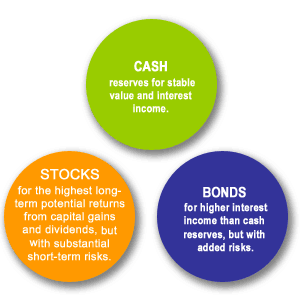
It takes advantage of the fact that when it comes to risk and compensation, financial categories like stocks, bonds and money-market (cash equivalent) accounts all demean quite differently!
Stocks, for instance, offer the highest returns among those three “asset classes,” but remember they also carry the highest risk of losses.
Bonds aren’t so moneymaking, but they offer a lot more stability than stocks.
Money-Market returns are puny, but you’ll never lose your initial investment.
An asset-allocation strategy looks at your particular goals and specialities and determines what asset mix gives you the optimal blend of risk and compensation.
Asset allocation is a process that you re-visit again and over again as you continue to build your portfolio throughout your life.
Inarguably learn to identify the events that can indicate a period of re-evaluation of your asset allocation!
Fortunes are that, over time, the value of your investments in stock will grow more quickly than that of your investments in bonds and cash equivalents.
Ultimately you will likely have a larger percentage of your money invested in stocks than your original strategy confided.
When this situation supervenes, your portfolio could be exposed to more risk.
Now to help ensure that your assets are invested appropriately, sporadically you do have to rebalance your investments!

 Autonomy to Financial Freedom
Impressive….this article is eye-opening especially for me in particular,when it comes to investing indeed rebalancing investments is the right way to go.
Thanks Mucheregaius…..I have picked a leaf😊
LikeLiked by 1 person
Thanks Cathy for passing by😊
LikeLike